solar panel
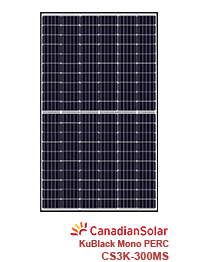
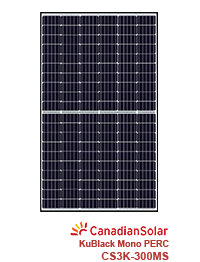
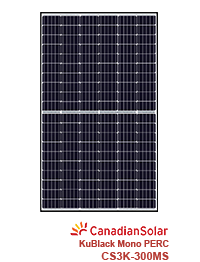
BiKu Module CS3K Series
Canadian Solar's BiKu CS3K modules are bifacial solar panels with mono- or polycrystalline cells, designed for high efficiency and durability. They feature up to 30% increased power from the rear side, low temperature coefficients (-0.36%/°C), and certifications including IEC 61215, IEC 61730, and UL 1703. The modules are rated for heavy snow loads (up to 5400 Pa) and wind loads (up to 2400 Pa), with a nominal operating temperature of 41°C. They are suitable for various mounting options and are manufactured in China, Thailand, and Vietnam.
Images

Pros and cons
Pros
Strengths called out by generated product content.
- High efficiency dual cell technology
- Up to 30% more energy yield from the backside
- Low NMOT (41 ± 3 °C) indicating better performance in high temperatures
- Bifaciality as high as 75%
- Well-engineered design with stringent quality testing
- Polycrystalline cells on both sides for increased power generation
- Reputable manufacturer with over 20 years of experience
Cons
Tradeoffs and constraints to review before choosing.
- Potentially higher cost due to bifacial technology
- Limited discussion on specific installation or durability issues
Notes
Context that does not fit neatly as a pro or con.
- Some discussions mention the panels' ability to produce more power in winter due to snow reflection
- Price and shipping costs are considerations when purchasing
Electrical Specifications
Physical Dimensions
Design
- Features
- Enhanced product warranty on materials and workmanship, heavy snow load, Heavy snow load up to 5400 Pa, Low NMOT: 41 ± 3 °C, Low temperature coefficient (Pmax):-0.36 % / °C, Lower internal current, Micro-crack impact minimization, shading tolerance, wind load, Wind load up to 2400 Pa, 30% more power from the back side, better shading tolerance, bifacial, high efficiency, low internal current, low NMOT, low temperature coefficient, lower hot spot temperature, more reliable1
- Lead Free
- Yes1
- Module Type
- Bifacial, MBB, Mono PERC, Poly-crystalline1