solar panel
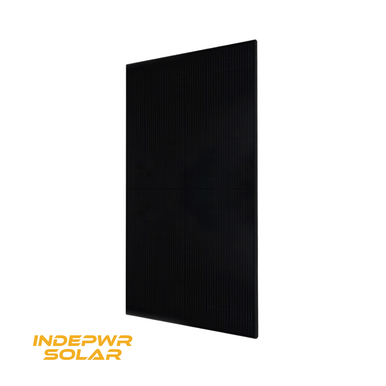
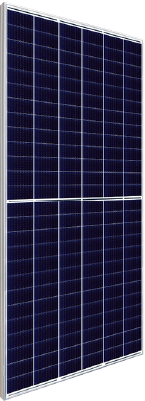
INDEPWR 440W Bifacial Solar Panel
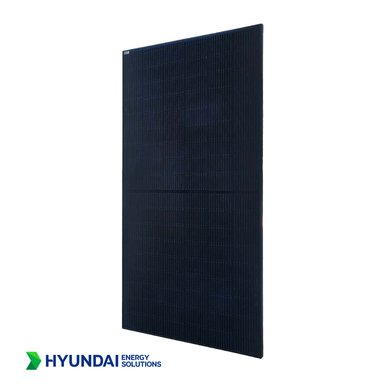
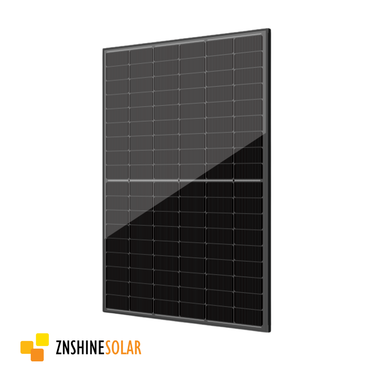
The INDEPWR 440W Bifacial Solar Panel is designed for high performance with bifacial technology, capable of producing up to 30% more energy through rear-side generation. It features advanced split-cell technology, a robust all-black design, and resilience to extreme weather conditions, including snow and wind loads. The panel is certified to IEC standards with a 30-year warranty, and supports high system voltages up to 1000VDC. Manufacturer specifications emphasize efficiency, durability, and aesthetic appeal supported by multiple sources including Aptos Solar, Hyundai, ZnShine, Boviet, and Canadian Solar.
Images
Pros and cons
Pros
Strengths called out by generated product content.
- High efficiency makes it suitable for space-constrained projects
- Bifacial capability allows for increased energy production in open environments
- Delivers up to 22.53% module efficiency for maximum energy output
- Captures reflected light on the rear side for up to 25% additional power gain
- Resistant to water, humidity, heat, and mechanical damage, extending lifespan
- High-efficiency monocrystalline cells perform well in low-light conditions
- Produces more power with a smaller footprint compared to monofacial panels
Cons
Tradeoffs and constraints to review before choosing.
- Rated power (440W) may not be achieved in real-world conditions, especially on the front side
- Rear power gain is modest in low albedo environments like roofs
- Bifacial panels can be more expensive and may require specific site conditions for maximum benefit
- Some users report that actual output can be lower than lab-rated values
- Installation and layout flexibility may be limited by space and tilt restrictions
Notes
Context that does not fit neatly as a pro or con.
- Bifacial panels are often used with ground-mount systems and in reflective environments
- Performance depends on site-specific factors such as ground reflectivity and installation angle
- Bifacial panels have a glass backing that might better protect against water ingress